
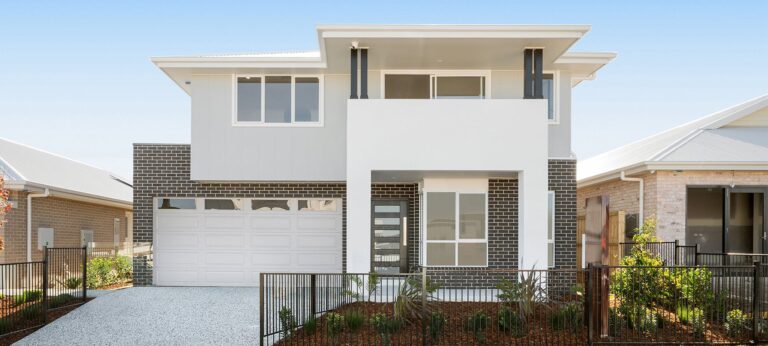
When designing a new home, it’s easy to focus on the floor plan, façade or roof style while overlooking one of the most important architectural features—the eaves.
Although they may seem like a small detail, eaves play a significant role in protecting your home, improving energy efficiency and enhancing its overall appearance.
Whether you’re building a new home or planning a knockdown rebuild in NSW or the ACT, understanding how eaves work can help you make better design decisions.
Since eaves work hand in hand with your roof design, we also recommend exploring our comprehensive guide to Roofing Options in Australia to understand how different roof styles influence the final look and performance of your home.
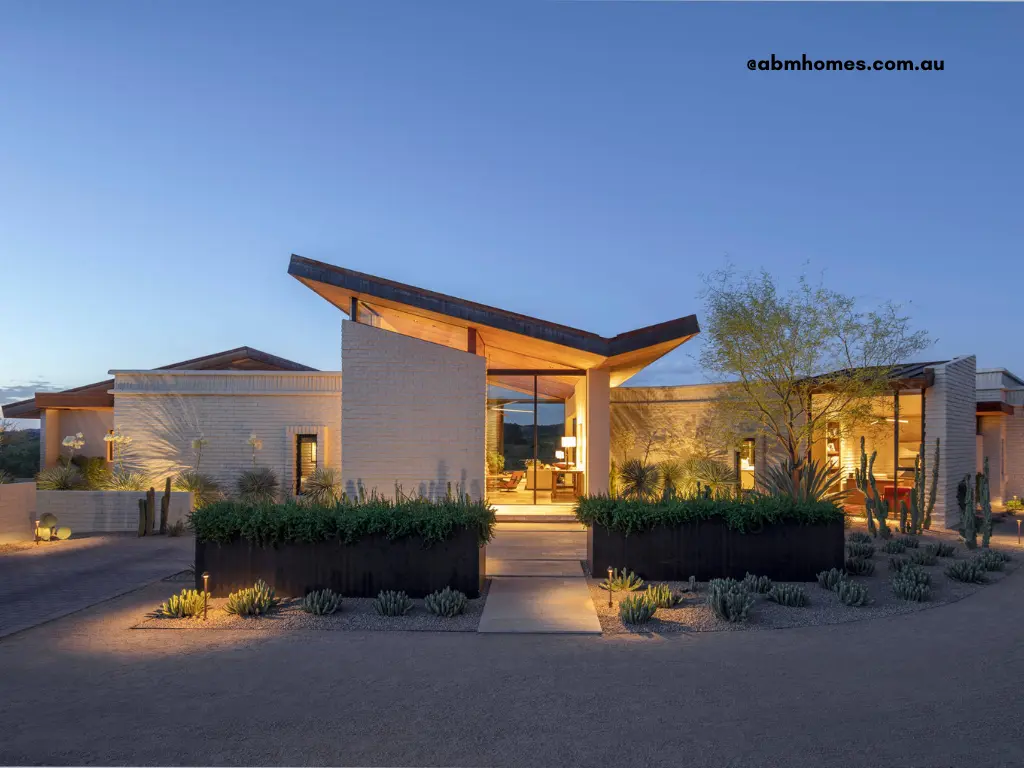
What Are House Eaves?
Eaves are the section of a roof that extends beyond the external walls of a house. This overhang creates a protective barrier between the roof and the walls below.
A typical eave consists of several components, including the fascia, soffit and guttering system, all working together to direct rainwater away from the home while protecting the building envelope from harsh weather.
While every home has a roof, not every home has large eaves. Modern architectural designs like American Style often reduce or even eliminate them for aesthetic reasons, but traditional Australian homes have long relied on generous eaves to improve comfort and durability.
Why Are Eaves Important?
Good eave design is about much more than appearance. It affects how your home performs throughout the year.
Protection from Rain
One of the primary jobs of an eave is to keep rain away from external walls, windows and doors.
By directing water into the gutters rather than allowing it to run down the walls, eaves help reduce:
– Water staining
– Splashback onto brickwork
– Moisture damage
– Premature paint deterioration
This extra protection can significantly extend the life of your home’s exterior.
Better Energy Efficiency
Australia experiences hot summers and strong sunshine, particularly across NSW.
Well-designed eaves provide natural shade during the hottest parts of the day, helping reduce heat entering through windows. This keeps indoor spaces cooler and reduces reliance on air conditioning.
In Canberra and the ACT, carefully designed eaves can also support passive solar design by allowing lower winter sun to enter the home while blocking the higher summer sun.
Increased Comfort
Because eaves reduce direct sunlight and weather exposure, they help create a more comfortable and sustainable indoor environment throughout the year.
They also improve outdoor living by providing shelter over entrances, verandas and alfresco areas.

Types of House Eaves
There are several styles of eaves used in Australian homes, each creating a different architectural look.
Open Eaves
Open eaves expose the rafters beneath the roof.
They are commonly seen on:
– Farmhouse homes
– Craftsman designs
– Rustic architecture
This style adds character while showcasing traditional craftsmanship.
Boxed Eaves
Boxed eaves are enclosed underneath with a soffit, creating a neat and finished appearance.
They are one of the most common choices for contemporary Australian homes because they combine clean aesthetics with low maintenance.
Flush Eaves
Flush eaves create a minimalist appearance by aligning closely with the wall line.
Although popular in ultra-modern homes, they provide less natural shading and weather protection than wider eaves.
Choosing the Right Eave Width
There is no universal “perfect” eave width. The best choice depends on your home’s orientation, climate and architectural style.
Generally speaking:
– 450 mm eaves suit many contemporary suburban homes.
– 600 mm provides improved weather protection and shading.
– 900 mm or wider is often preferred for acreage homes, Farmhouse designs and homes focused on passive solar performance.
Homes built in Canberra often benefit from wider eaves that contribute to year-round energy efficiency, while many NSW homes use generous overhangs to reduce summer heat gain.

How Roof Design Affects Eaves
Your roof style has a major influence on how your eaves look and perform.
For example, Hip Roofs naturally create continuous eaves around the entire home, offering excellent protection from both rain and sun, while a Skillion Roof creates a sleek, contemporary appearance. Depending on the design, eaves can either be generous for shading or kept minimal to emphasise clean architectural lines.
Modern Butterfly Roofs often feature shorter eaves due to their distinctive inward-sloping design. These homes rely on careful planning to balance aesthetics, drainage and weather protection.
Every roof design presents different opportunities, which is why it’s important to consider your roof and eaves together rather than as separate decisions.
Do Modern Homes Still Need Eaves?
Some modern homes feature very small eaves—or none at all—to achieve a minimalist appearance.
While this can create striking architecture, it also reduces natural protection from sun and rain.
Without generous eaves, homeowners often rely more heavily on:
– External blinds
– Pergolas
– Larger awnings
– Advanced glazing systems
For many families, moderate to wide eaves provide the best balance between modern design, comfort and long-term maintenance.
Common Mistakes When Choosing Eaves
Eaves should never be treated as an afterthought. Some of the most common mistakes include:
– Choosing narrow eaves purely for appearance.
– Ignoring the direction your home faces.
– Not considering local climate conditions.
– Failing to coordinate eaves with the roof design.
– Overlooking future maintenance and weather protection.
Working with an experienced home builder ensures these factors are considered from the beginning of the design process.
Building a Home with the Right Roof Design
The best homes are designed as a complete package.
Rather than selecting a façade, roof and eaves independently, each element should complement the others. The roof influences the home’s appearance, while the eaves affect comfort, energy performance, sustainiblity and durability.
Build a Better Home with ABM Homes
At ABM Homes, we believe every design detail matters—including the eaves.
Our team carefully considers roof design, orientation, passive solar performance and architectural style to create homes that not only look exceptional but also perform well in Australia’s climate.
Whether you’re building a new home or planning a knockdown rebuild in NSW or the ACT, we’ll help you design a home where every element works together—from the roofline to the façade and everything in between.